What we need to save Tokyo's public baths
A progress report on ten years of sento activism

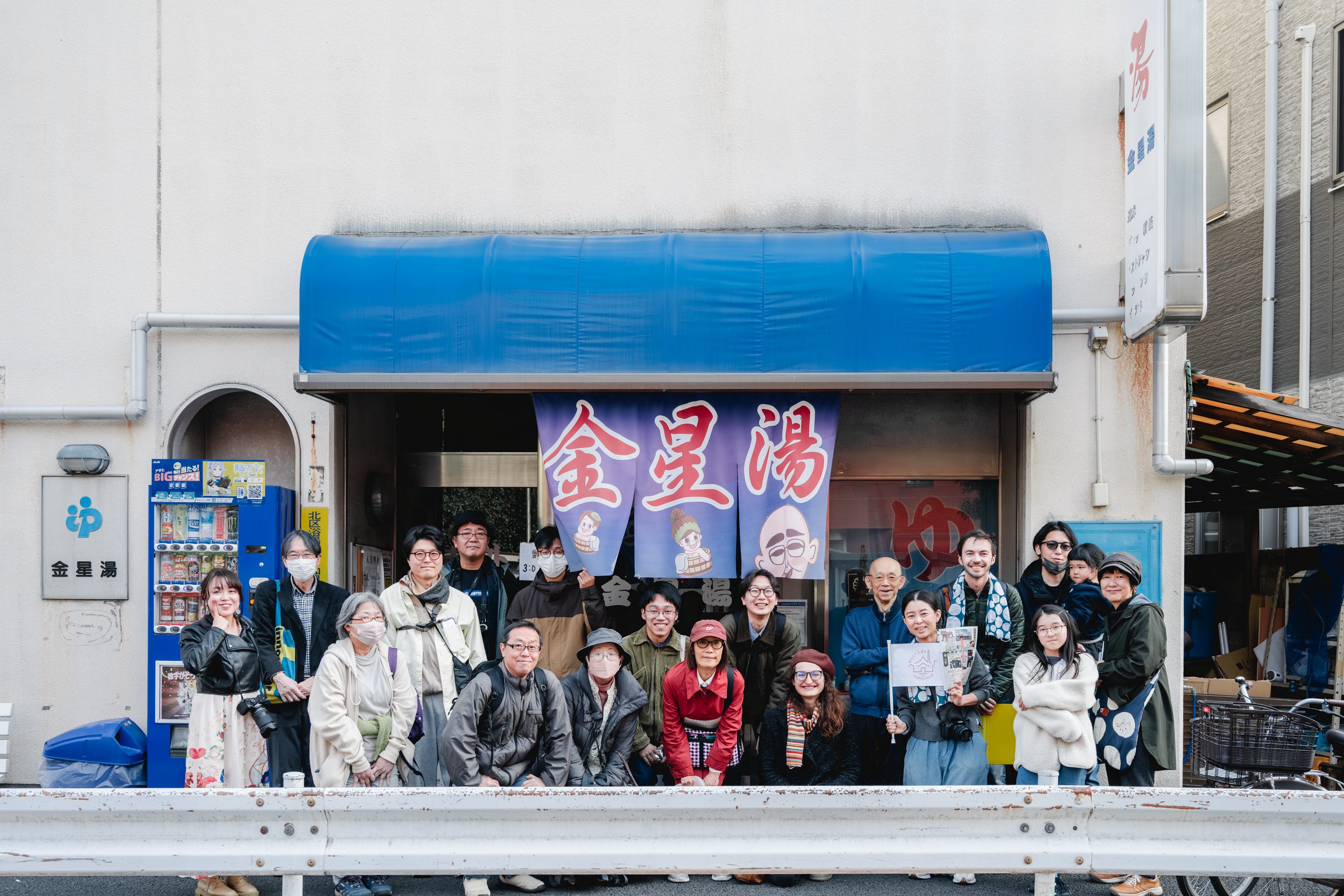
Last month, my Sento & Neighborhood colleagues and I staged our third and final “My Sento & Neighborhood” exhibition, the culmination of three years of research and workshops around 22 public baths in Tokyo’s Kita Ward.
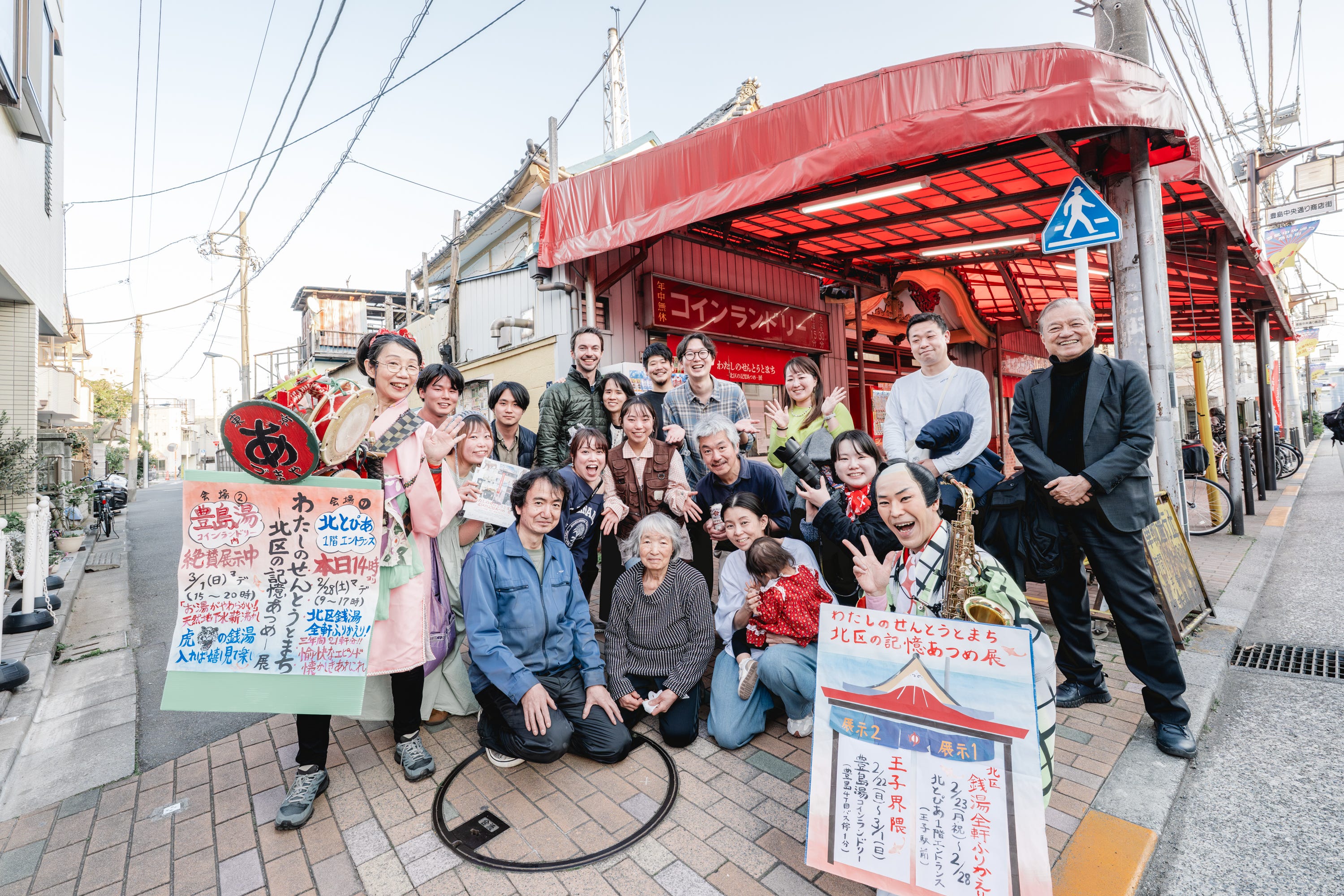
The end of this big project is a good moment to look back on what we’ve accomplished over the past decade, where our organization and public baths are at today, and how our role as urbanists could evolve in the years ahead. I think we have the expertise, vision, and network needed to make more positive interventions in Tokyo’s urban future—if only we could figure out ways to tap into deeper financial resources. If you can offer advice on how we might take steps towards creating a sento fund, which I talk about in the last section, or just forward this email to someone else who loves baths and could help us in the next stage, I would truly appreciate your input.
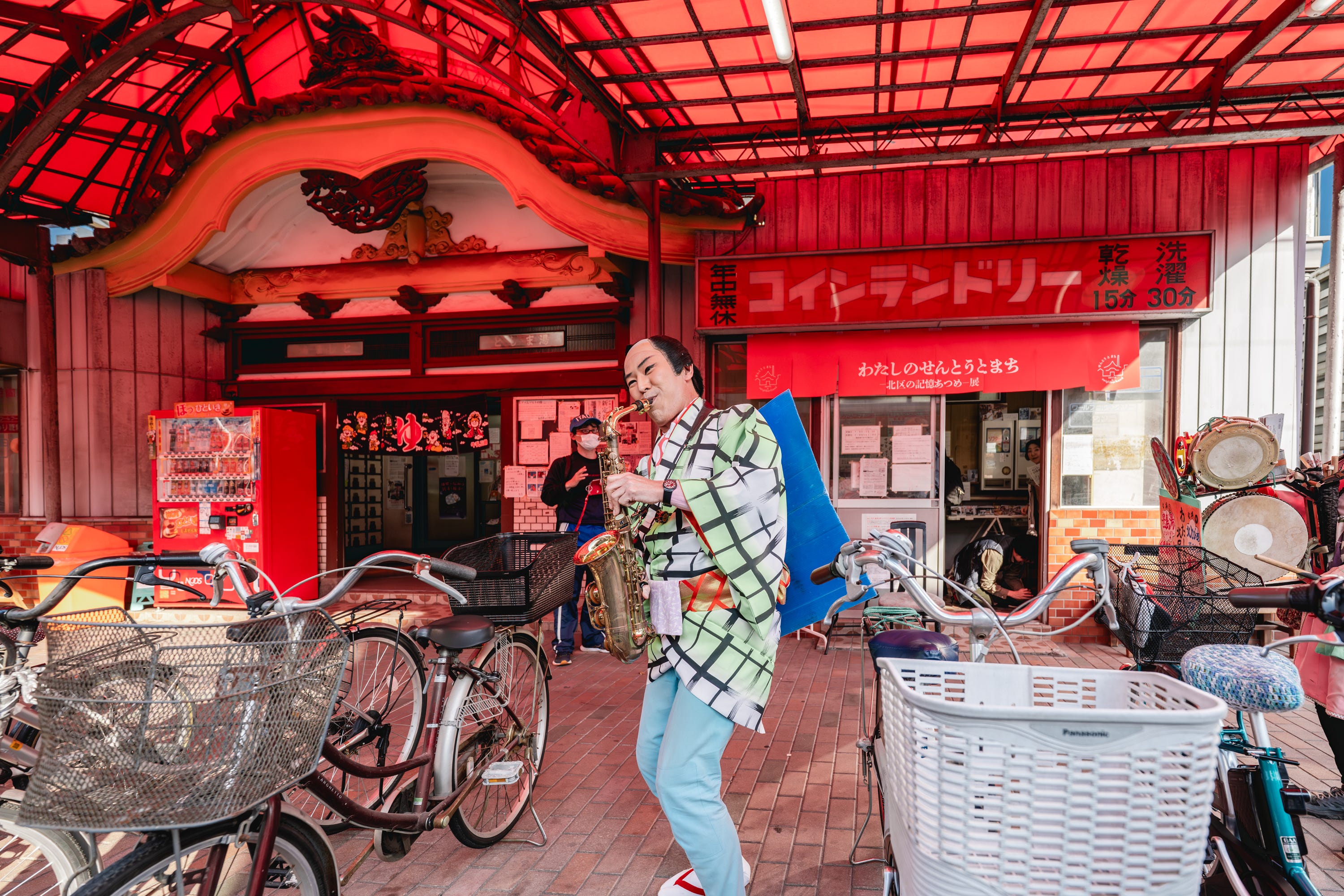
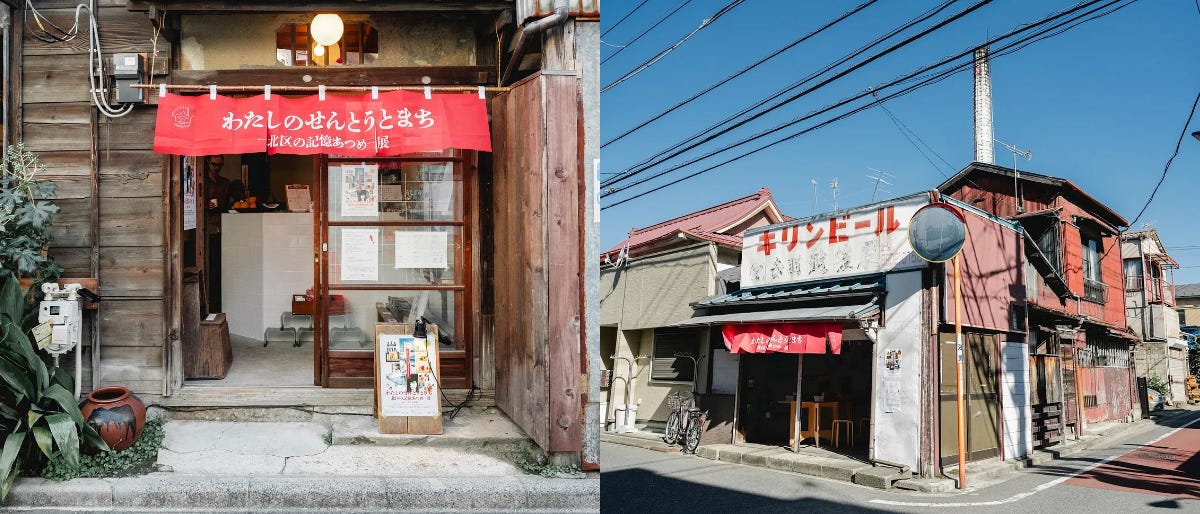
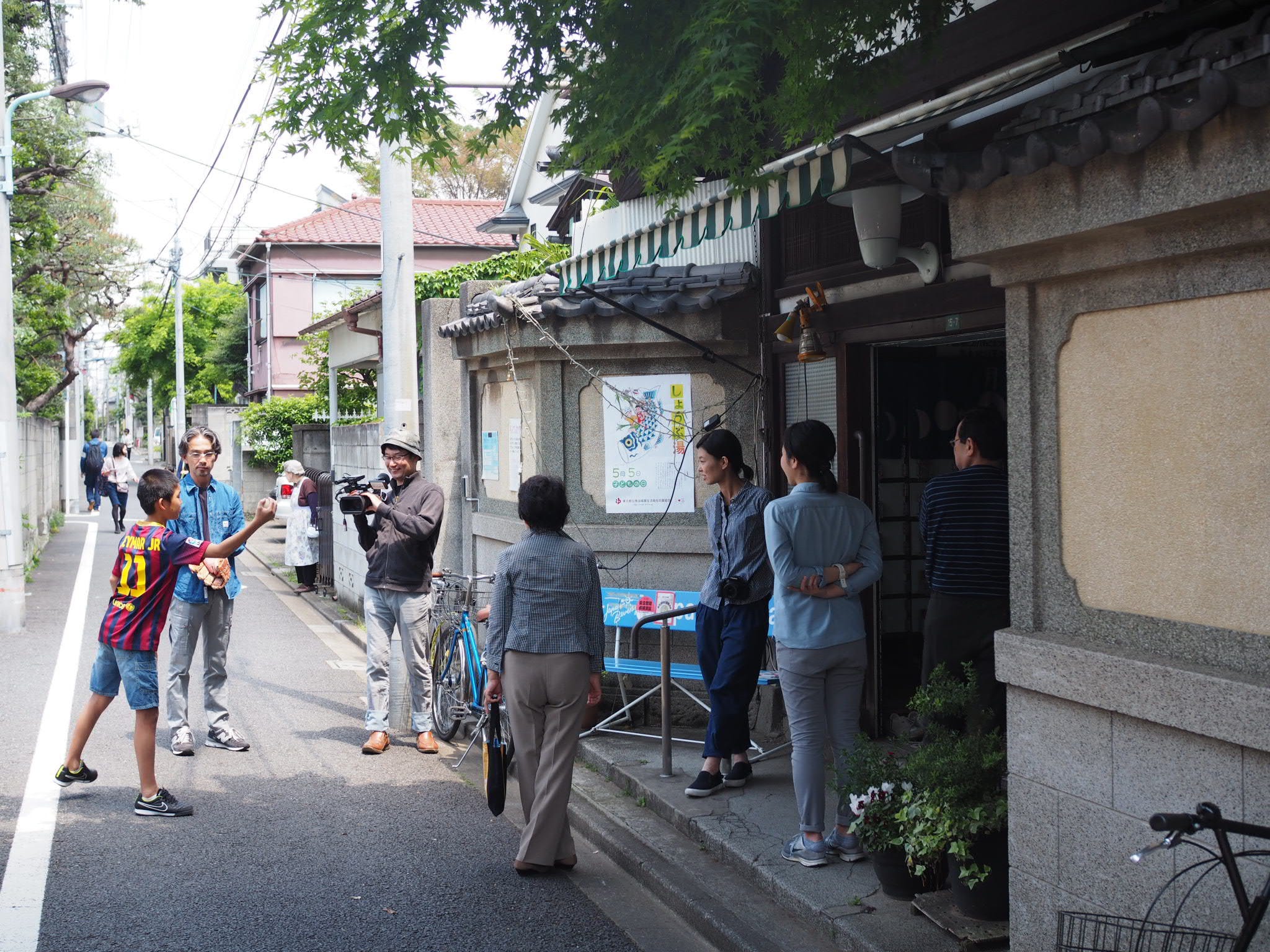
I’ll begin with the exhibition. This year, we borrowed the coin laundries at Toshima-yu, an old sento near Ōji, where we distributed our sento newspapers and held a photo exhibition. The wonderful street performers of Chindon! Azumaya walked the neighborhood to promote for us, drawing children out of the alleys with their music. The coin laundry followed our previous exhibitions at Inari-yu Nagaya (a former tenement) and the shuttered liquor shop Echigo-ya last year, finishing out a trilogy of sento-adjacent spaces.
I also co-led a walking tour between five of the baths we researched, sharing local stories and explaining the role of baths and shopping streets in neighborhood history and the formation of the city.
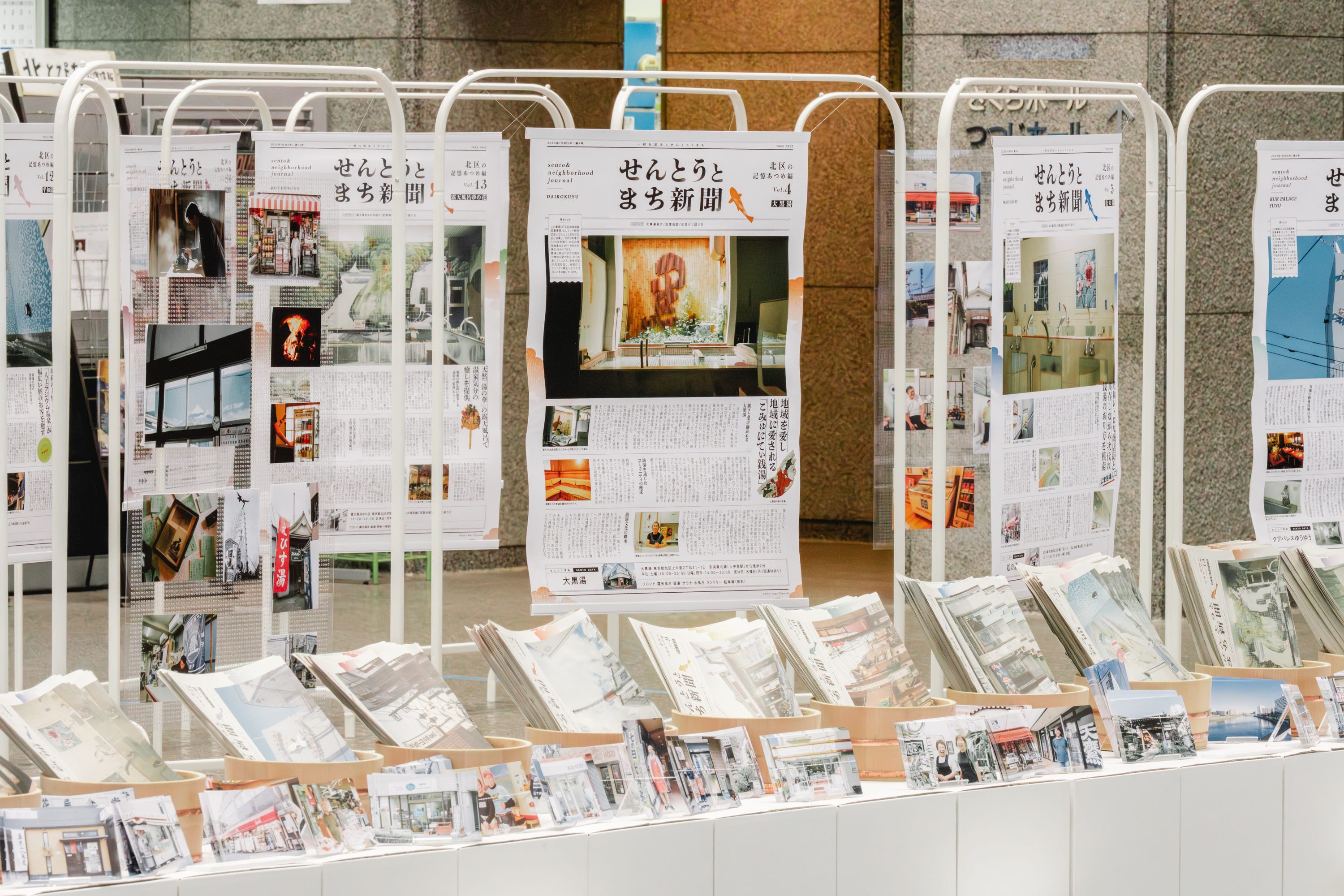
For the finale, we also took over the lobby of city hall to display all 22 newspapers that we created over three years. In a space with lots of foot traffic, older residents especially were drawn to the memory maps that record the neighborhood businesses that once existed around each bathhouse.
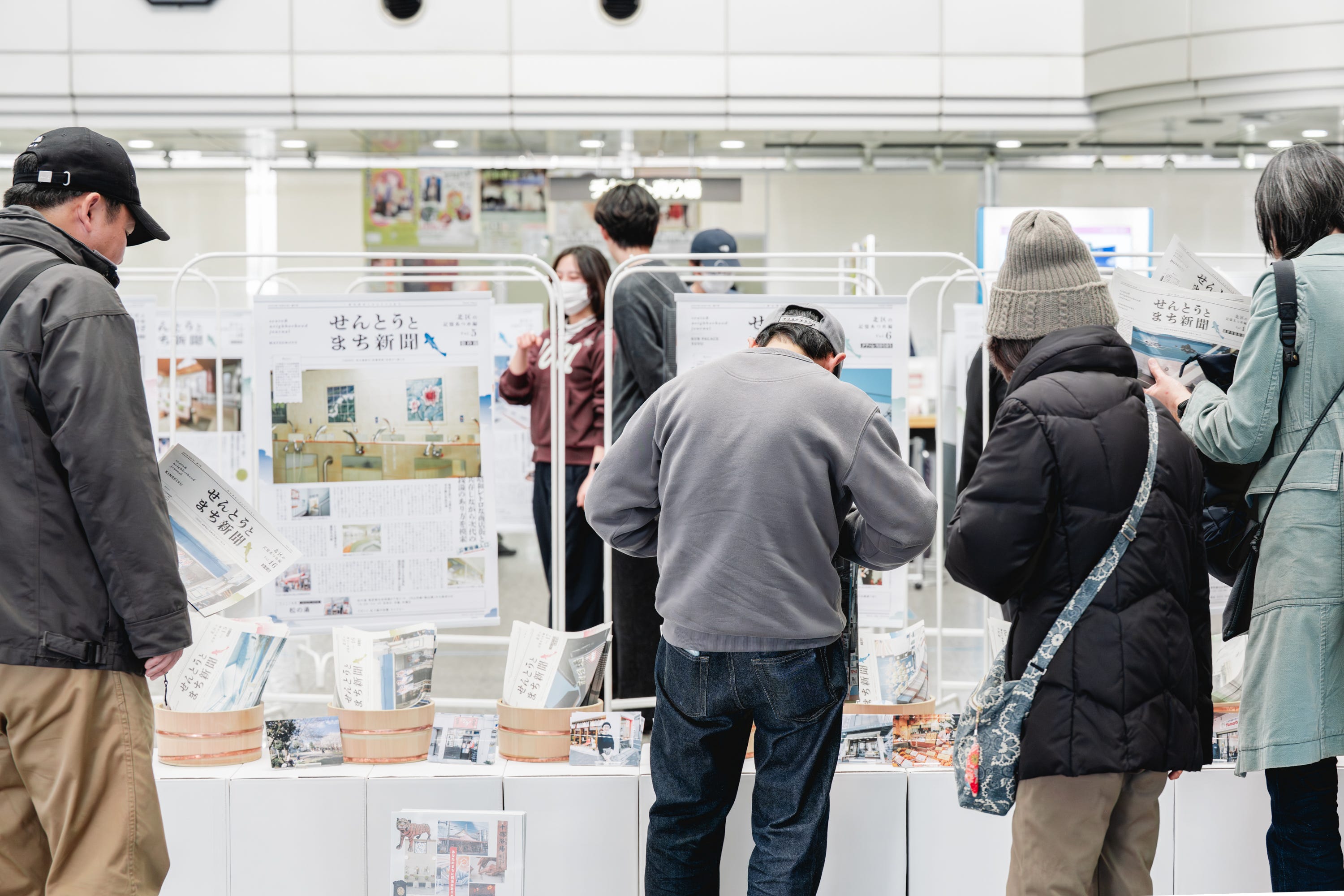
Mostly thanks to my colleagues’ hard work, we’ve created a collection of oral histories and visual artifacts that is one of the best documentary archives of the role of sento in 20th century Tokyo life, and what they still mean to residents and local communities. We hope to edit the results into book form by next year (we’d also love to do some exhibitions overseas—please invite us!).
So how did we get here, and what can we do in the next stage?
2014-2019: Identifying and documenting a crisis
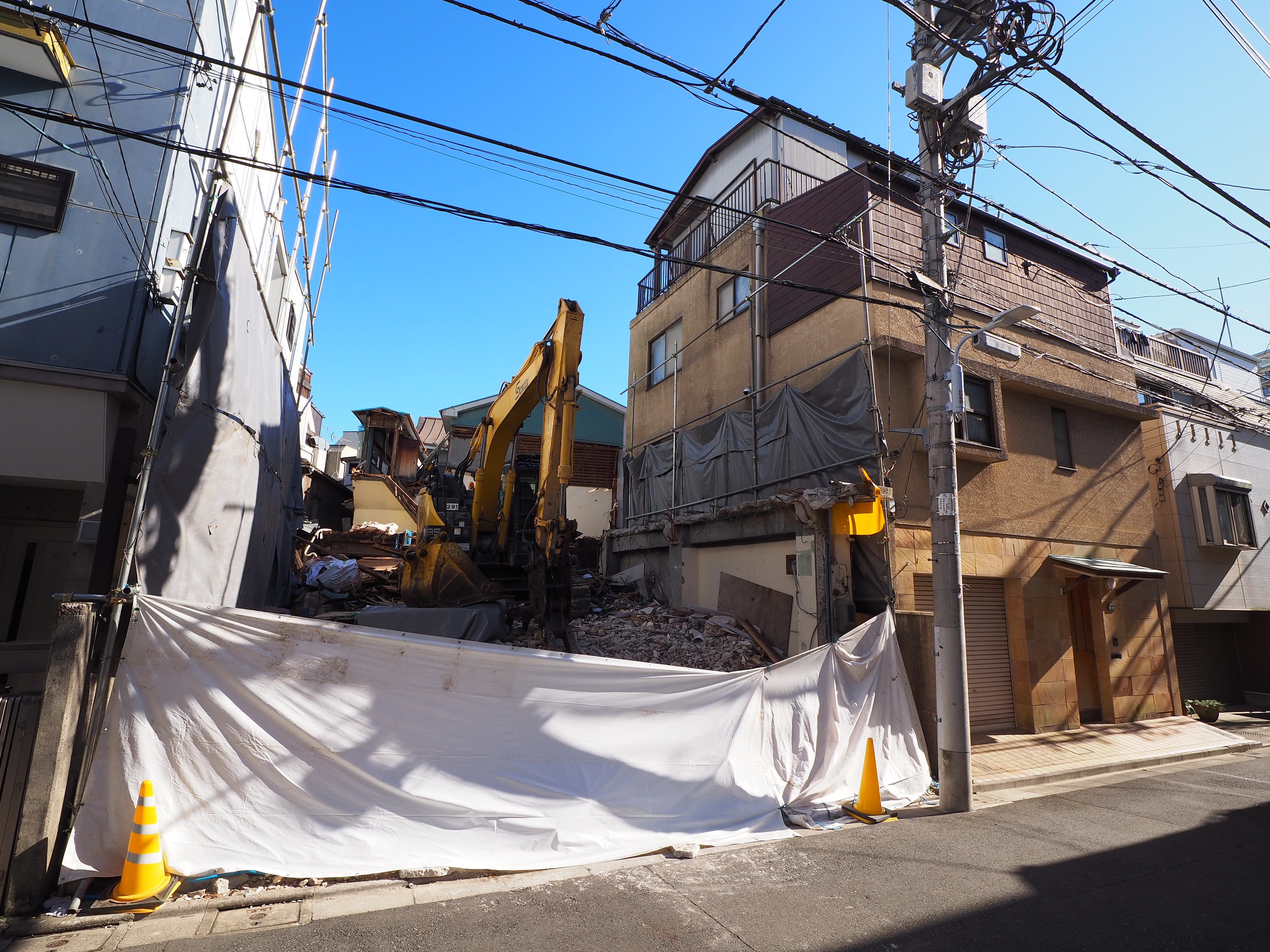
Sento & Neighborhood’s story so far can be divided into three phases. The first began around 2014, which happened to be the year I moved to Hongo, in Bunkyo Ward. At the time my colleague Haruka Kuryu had started documenting the rapid disappearance of Bunkyo’s traditional sento, and Masaya Sammonji was living in a bath-less apartment as a student and going to the same sento as me. Between 2014-2015, we watched up close as four of the ward’s temple-like miya-zukuri sento were closed, destroyed, and replaced by parking lots and private condominiums. Observing the sudden loss of these common spaces, it was apparent that the destruction of some of the city’s finest architectural heritage also meant the unraveling of the remaining social fabric of neighborhoods.

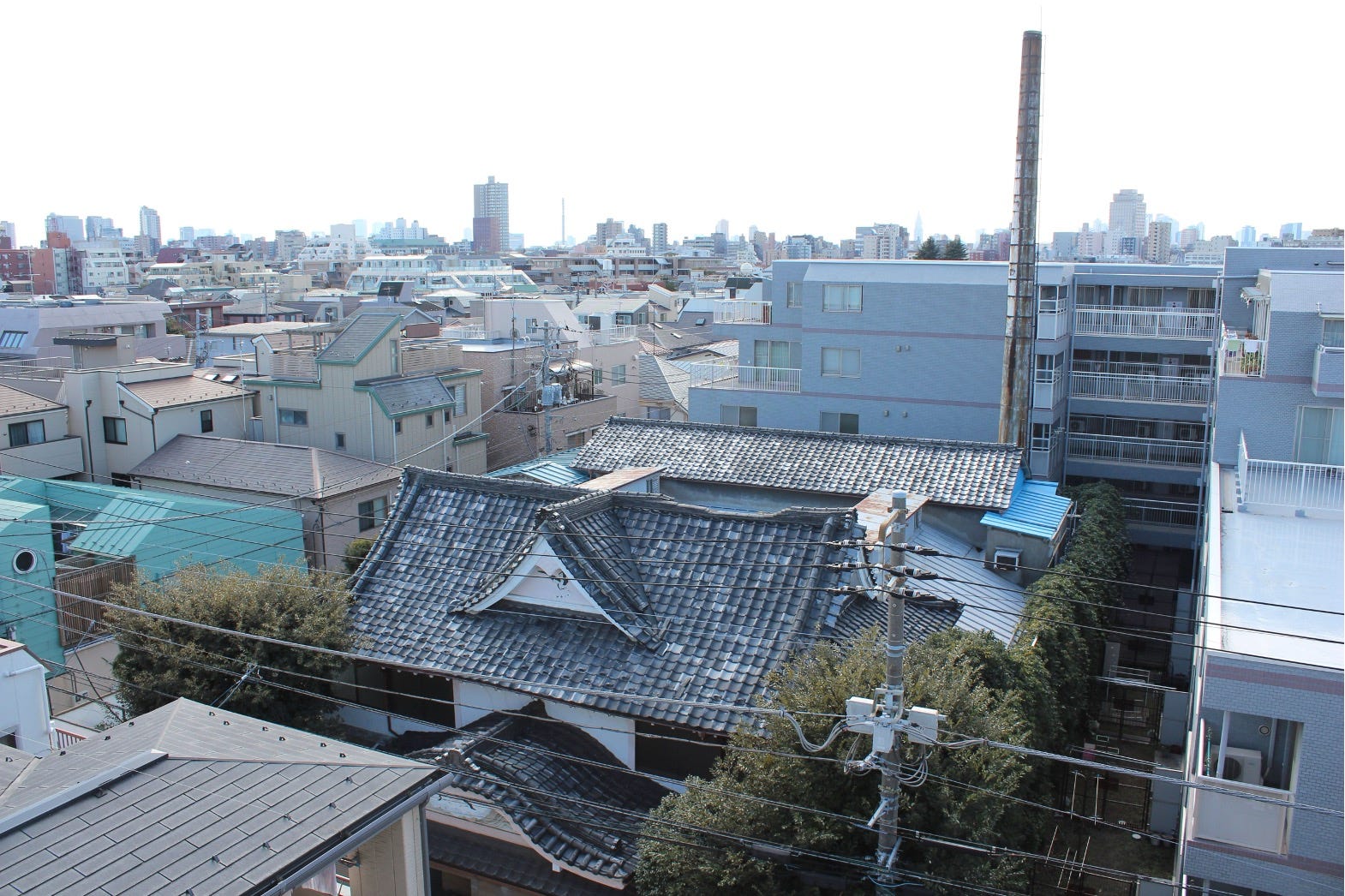
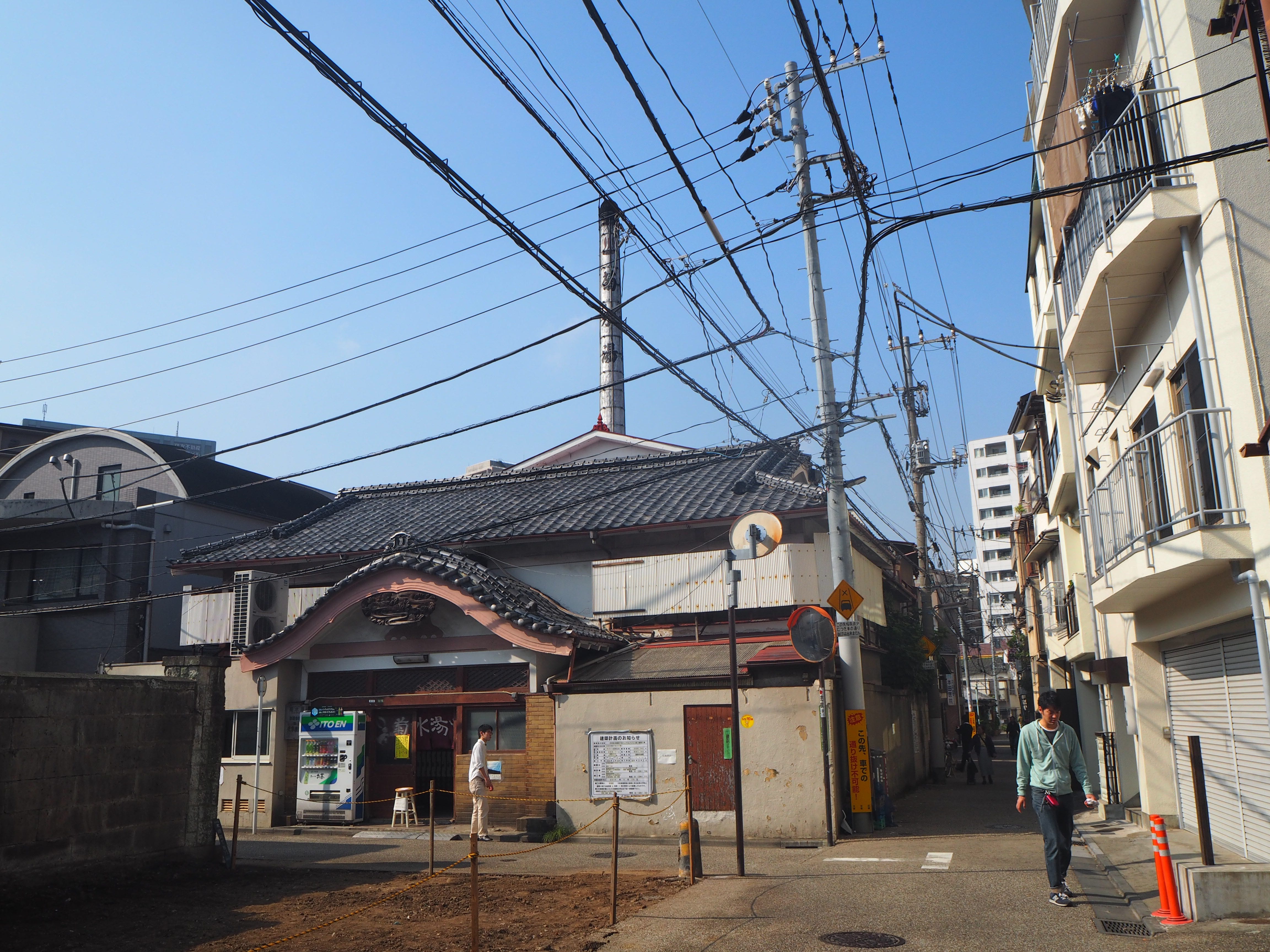
The closures in 2014-2015 were followed by another wave amid the pandemic, when the other two bathhouses I frequented in my student days were destroyed. The 11 baths that existed in Bunkyo when I arrived have dwindled to just five.
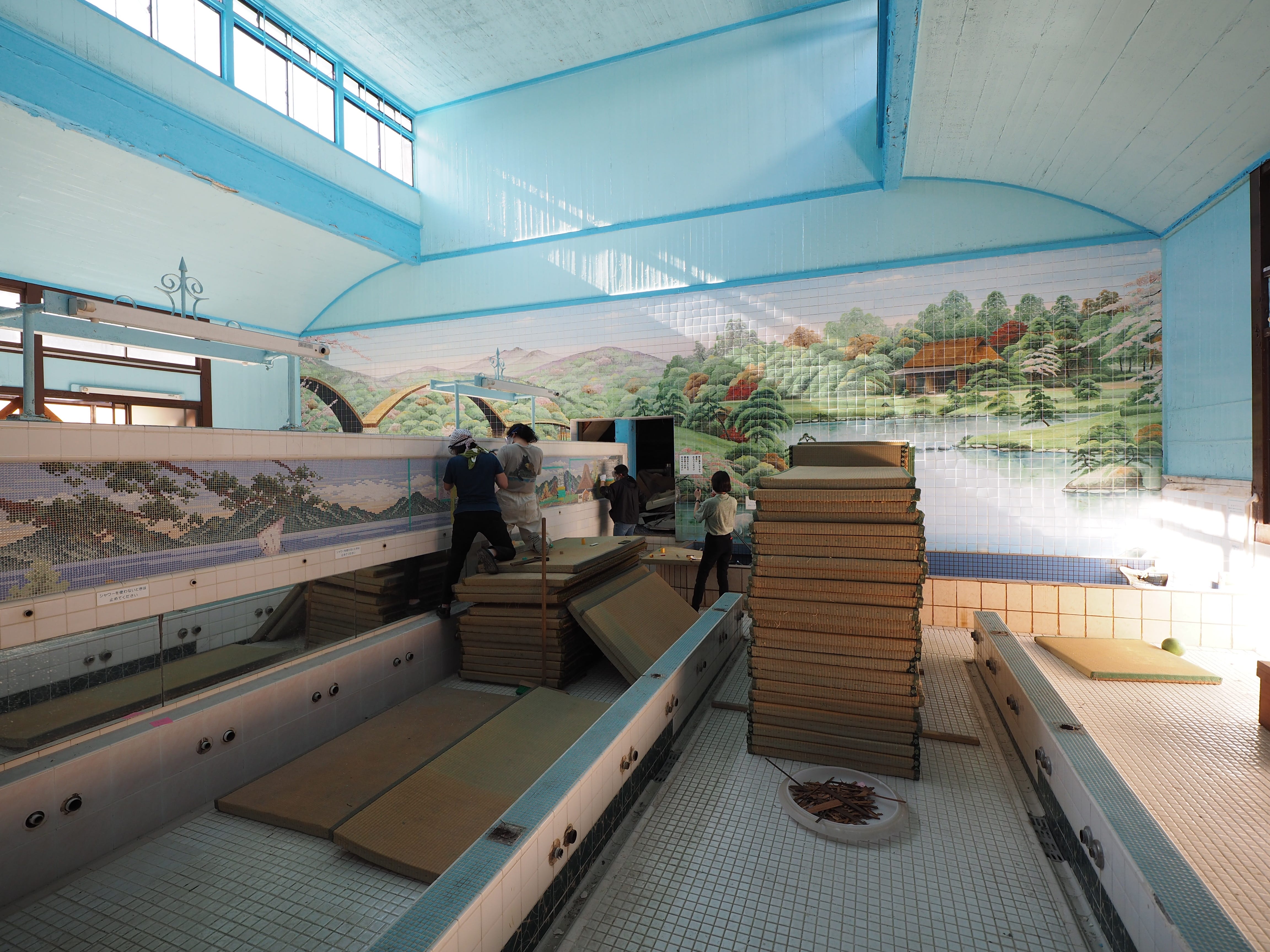
Over the years, we’ve visited and documented dozens of baths on the verge of destruction, some of which are listed on our website. On Monday, we were down in Yokohama to document Naka-no-yu, a magnificent sento that will disappear in a few months.
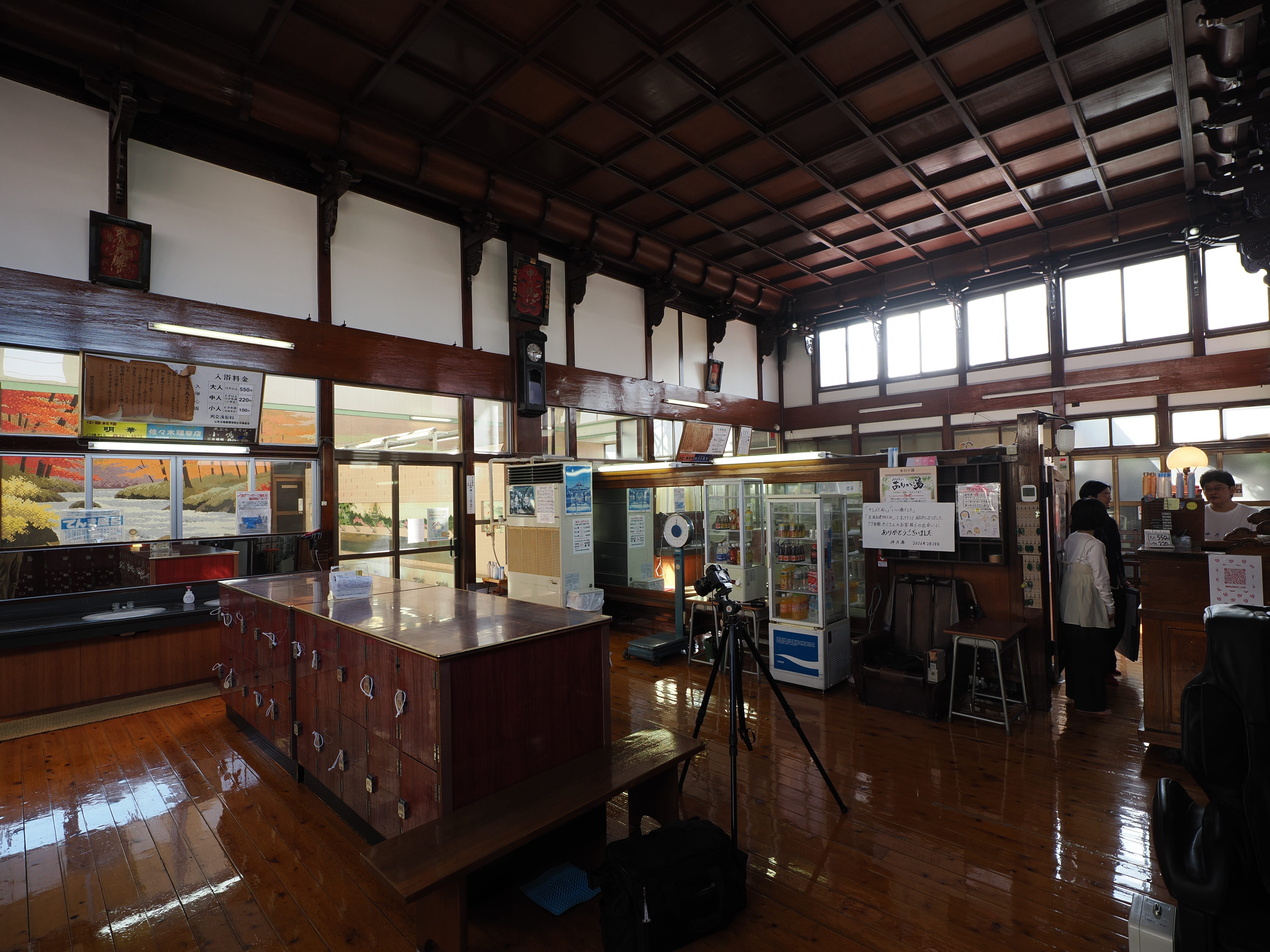
The loss of sento is constant and never ending. There were more than 700 baths in Tokyo in 2013, the year before I arrived. This year, the number is likely to fall below 400, and I expect just 200 or so to survive into the mid-2030s. Seeing a sento in its final moments and knowing that the city will be poorer in its wake is a gut-wrenching experience every time. Haruka’s passion to try to stop what can feel inevitable has kept us all in motion, and sometimes, it pays off.
2019-2022: Building Inari-yu Nagaya
After the demoralizing experience of watching many of Bunkyo’s sento be torn apart, we started exploring neighboring Kita Ward, where 30 baths still existed at the time (now down to 22). That’s when we met Inari-yu.
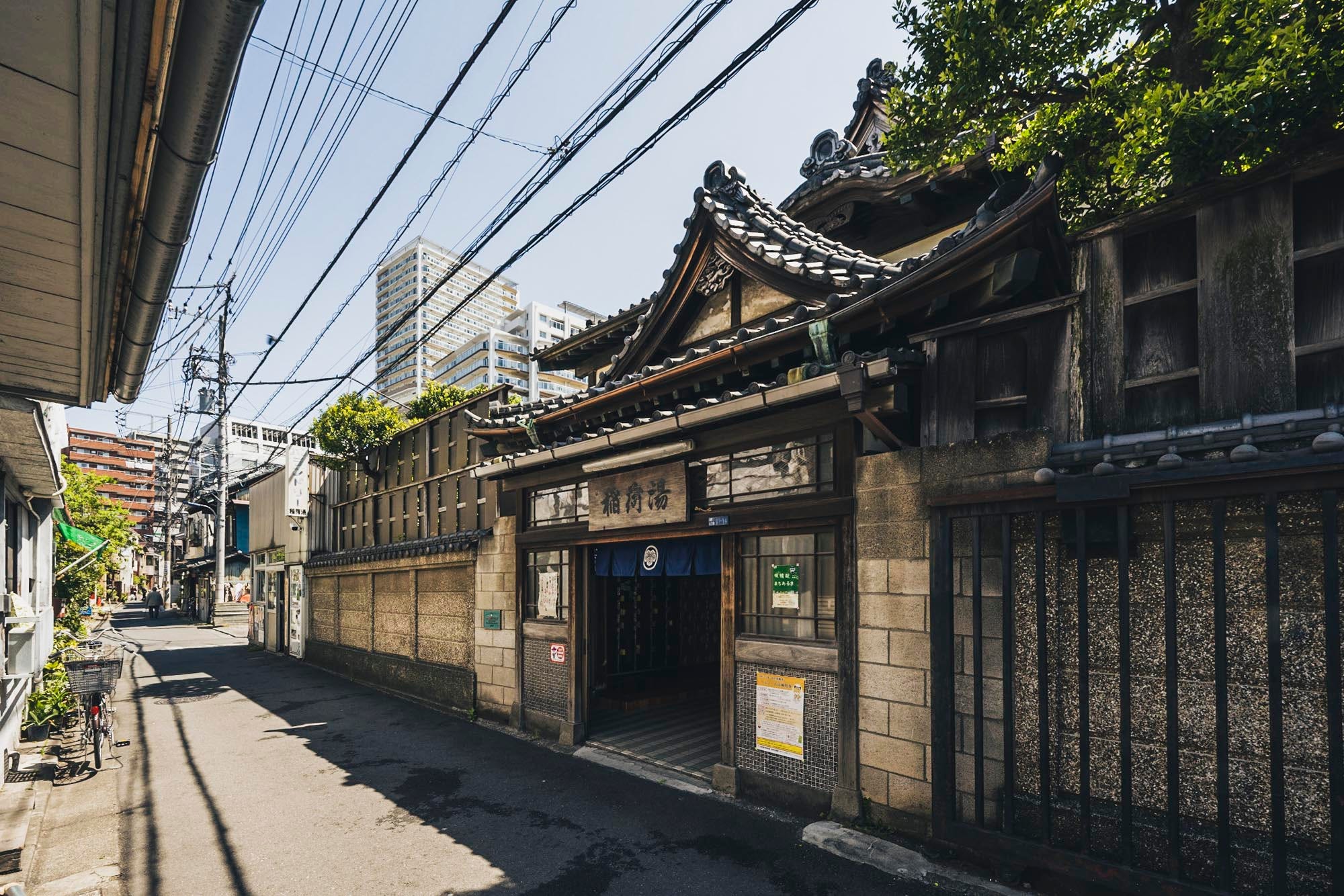
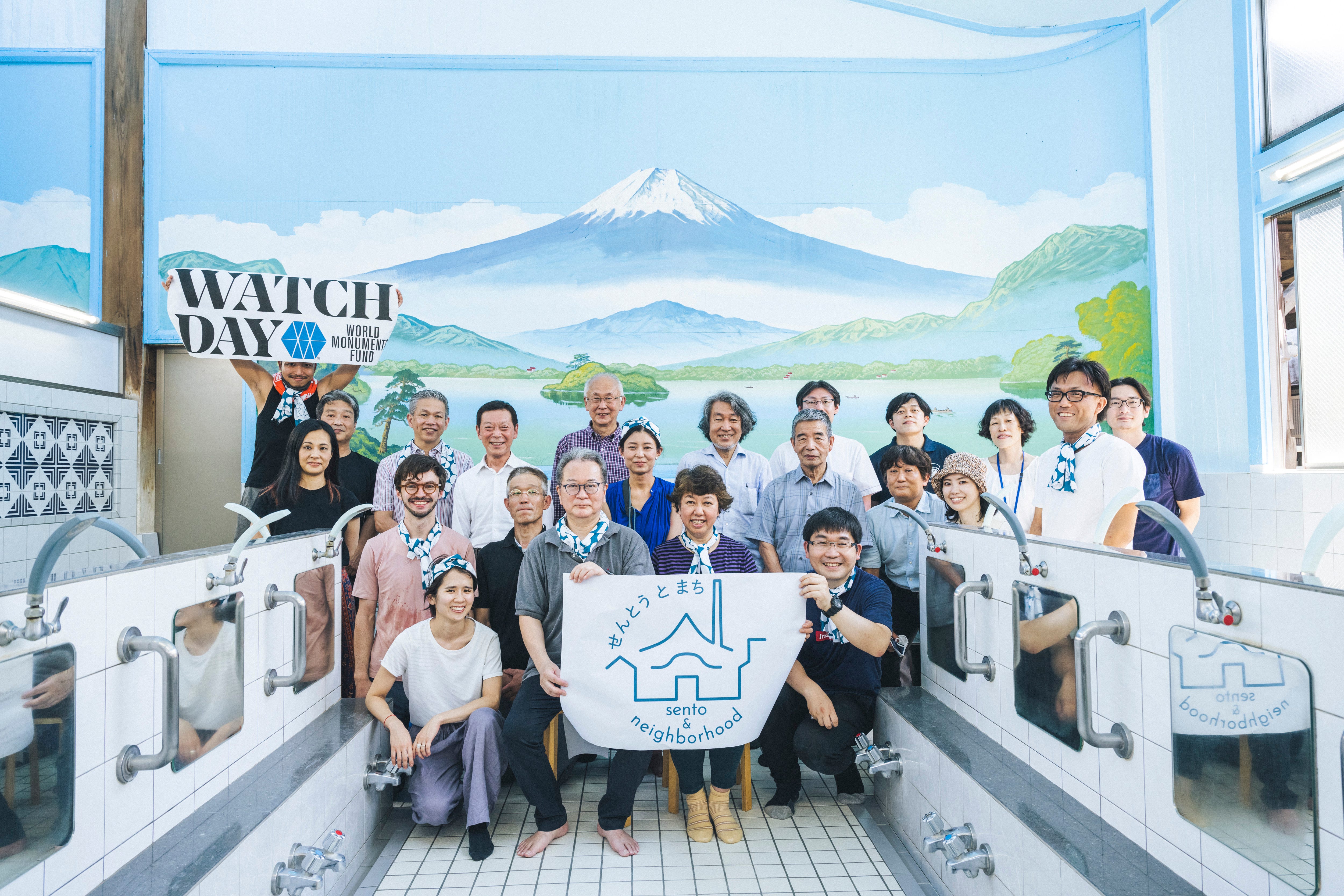
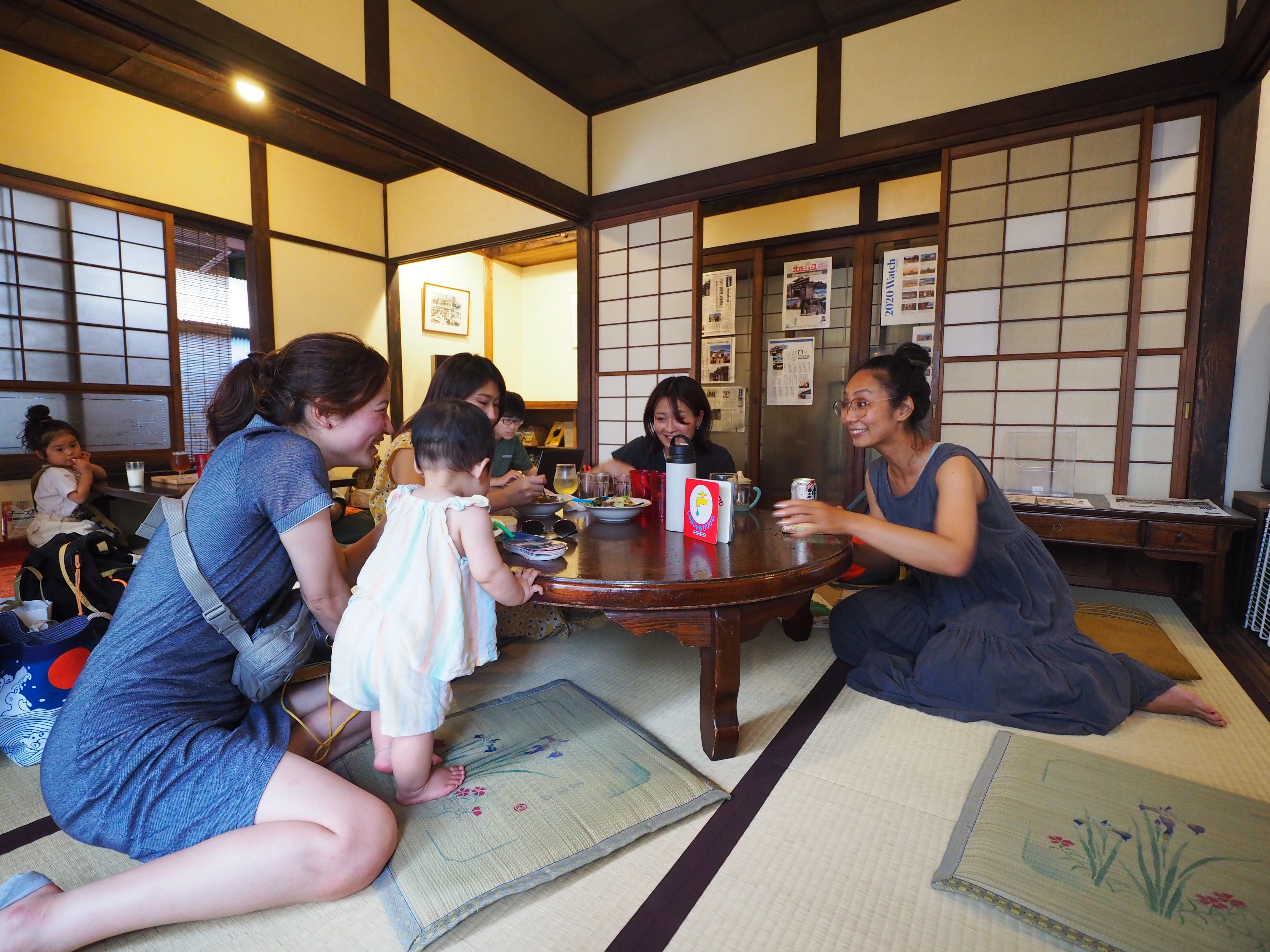
We offered to help the owners register the bathhouse as a tangible cultural property, and soon afterward, were chosen for World Monuments Fund’s 2020 Watch List. By securing several hundred thousand dollars of funding from overseas, we were able to create a unique project structure in collaboration with the owners, which allowed us to conduct repairs on the bathhouse structure, and completely restore the abandoned tenement next door into a new community gathering space that extends the function of the bathhouse as a neighborhood commons. We now have run Inari-yu Nagaya for more than three years, and watched it become a beloved part of the community.

2023-2026: Researching sento and neighborhood networks
As construction wrapped up, we were also thinking about how to extend our work to other sento and more broadly share our message. That led us to collaborate with the Kita Ward government on our three-year My Sento & Neighborhood project, during which we refined a local research methodology and applied it to a large enough sample of baths to firmly grasp both the historical context of sento in the 20th century, as well as the present challenges of bathhouse owners and communities.

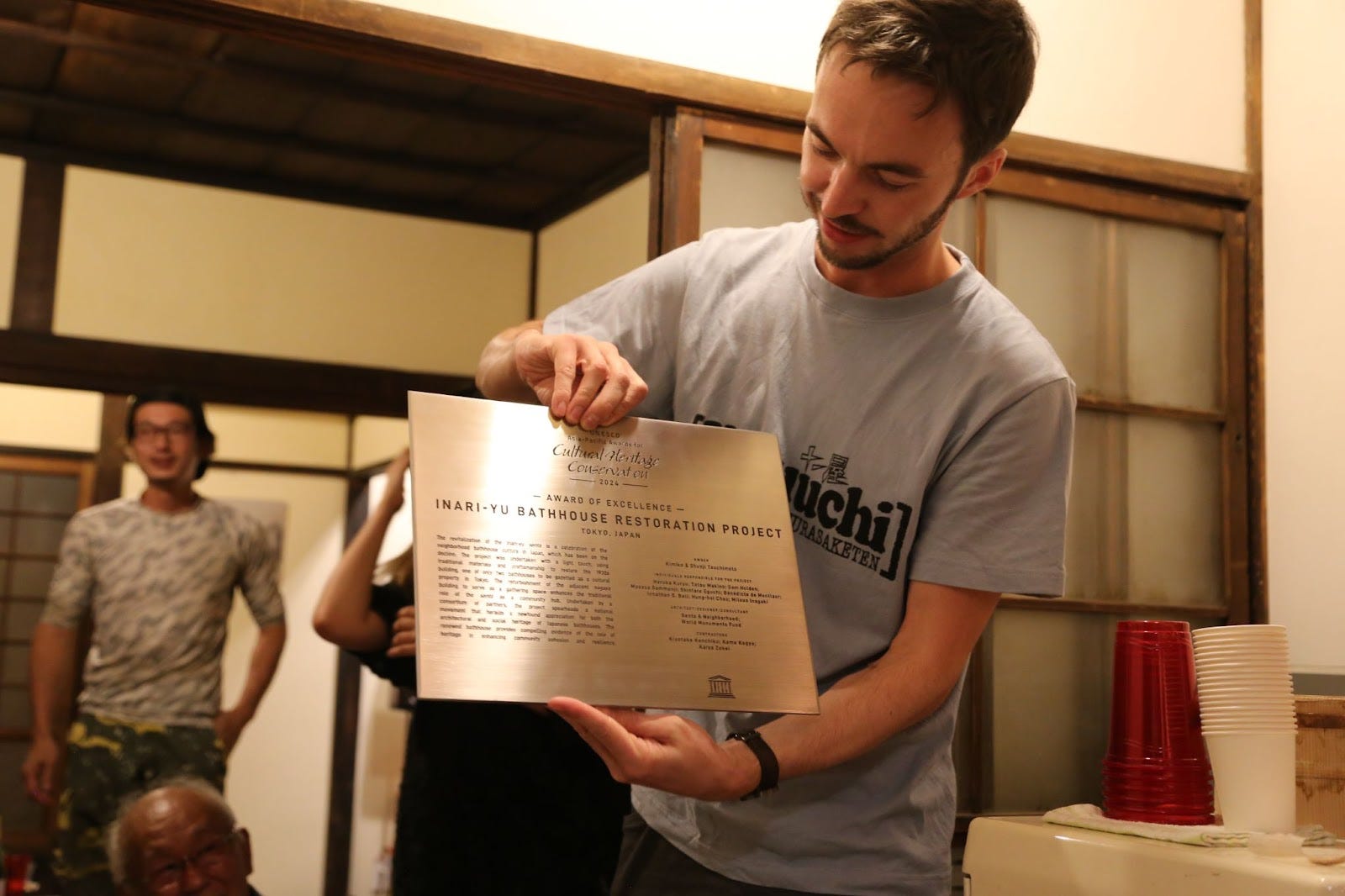
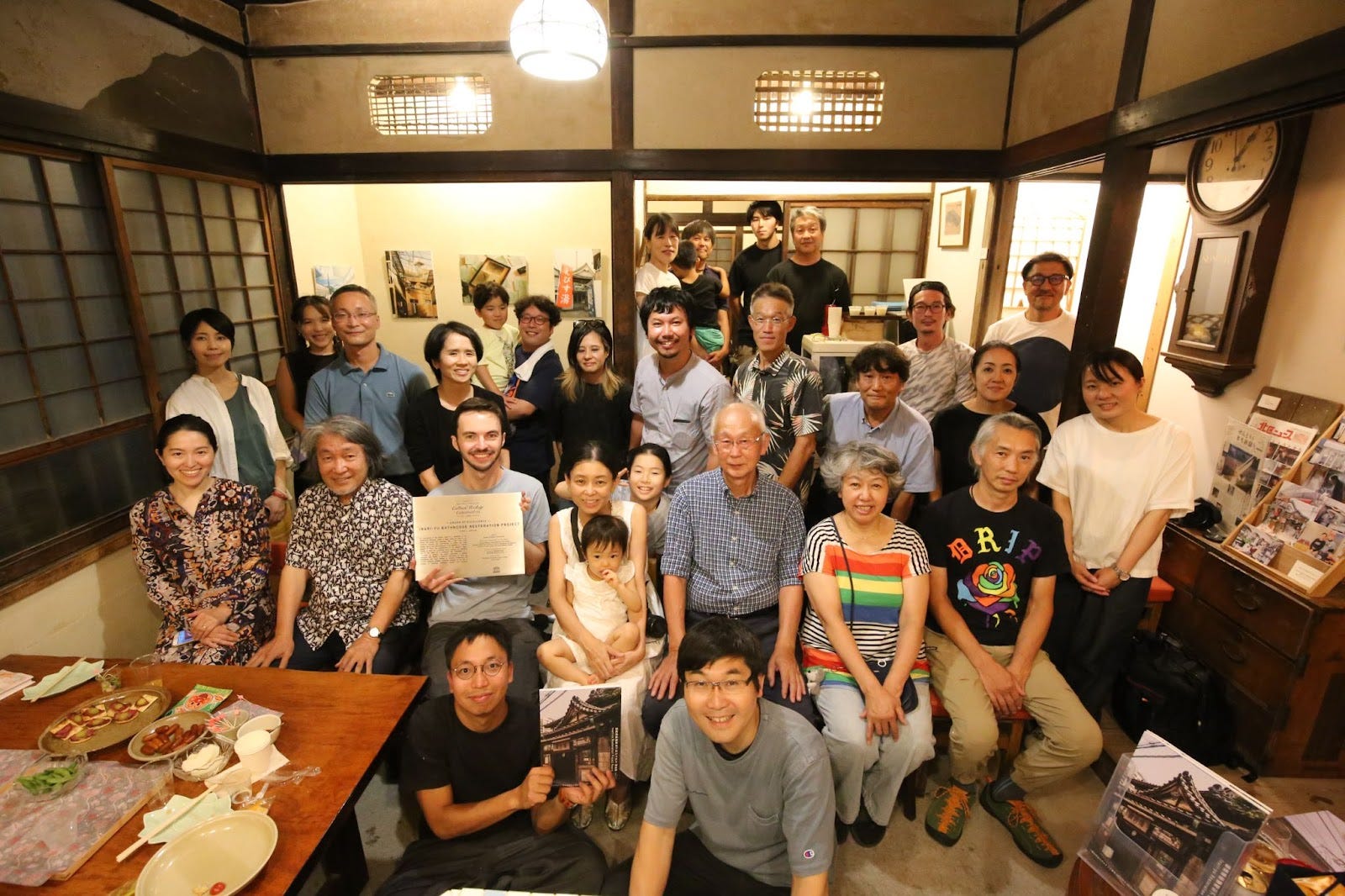
We also began receiving more media attention and awards. In 2024, our Inari-yu project won UNESCO’s highest award for cultural heritage conservation in Asia & the Pacific, from among more than 50 nominated projects—quite a gratifying outcome for a grassroots team of part-time urbanists.

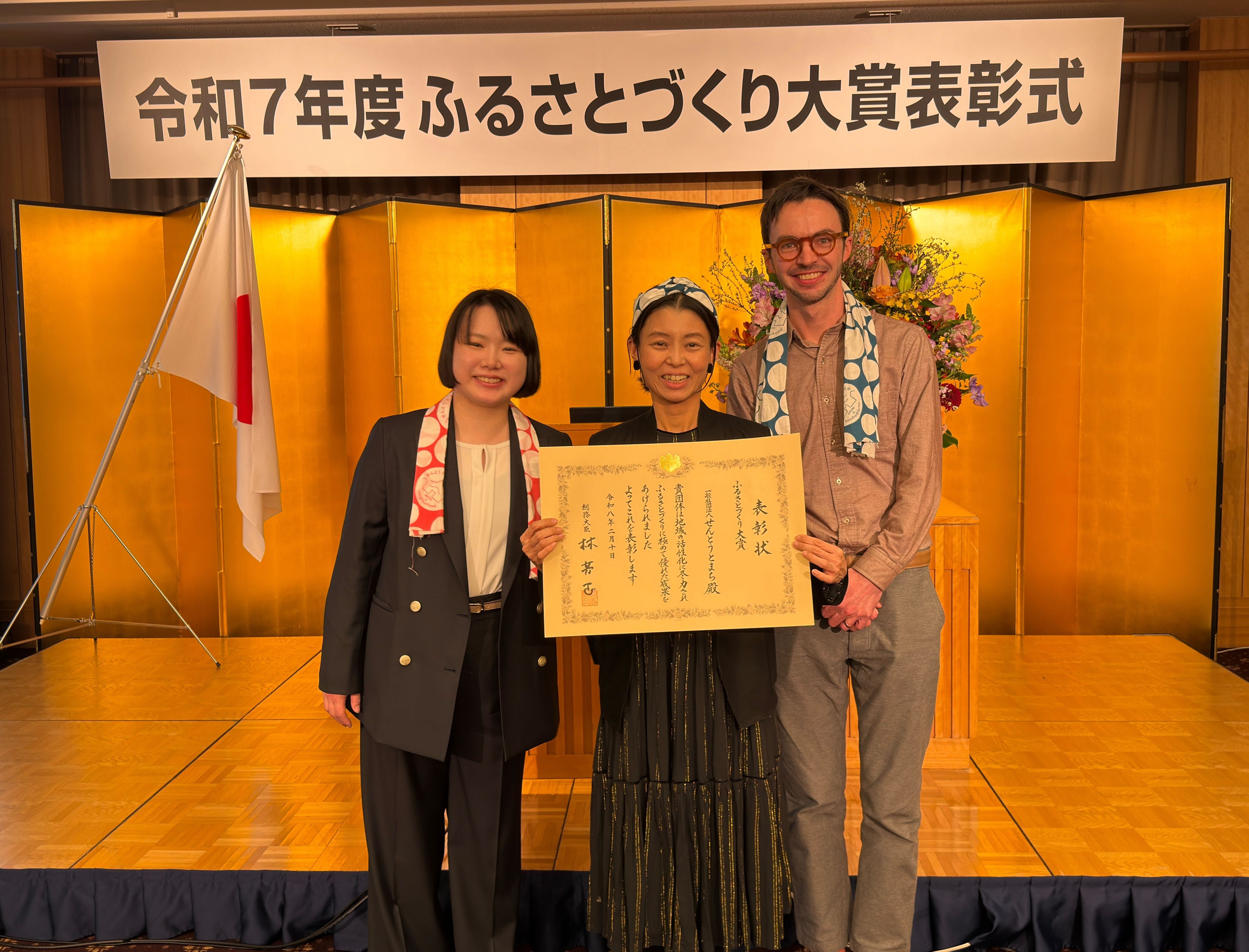
This year, we were also chosen for an award from the national government (P.25) for community-building initiatives—the only organization chosen from a major metropolitan area. While community commons and architectural conservation are often celebrated in the shrinking regions, Tokyo needs them too, now more than ever. In our small way, we’re fighting against the sacrifice of the city’s social fabric and cultural heritage for short-term economic development.
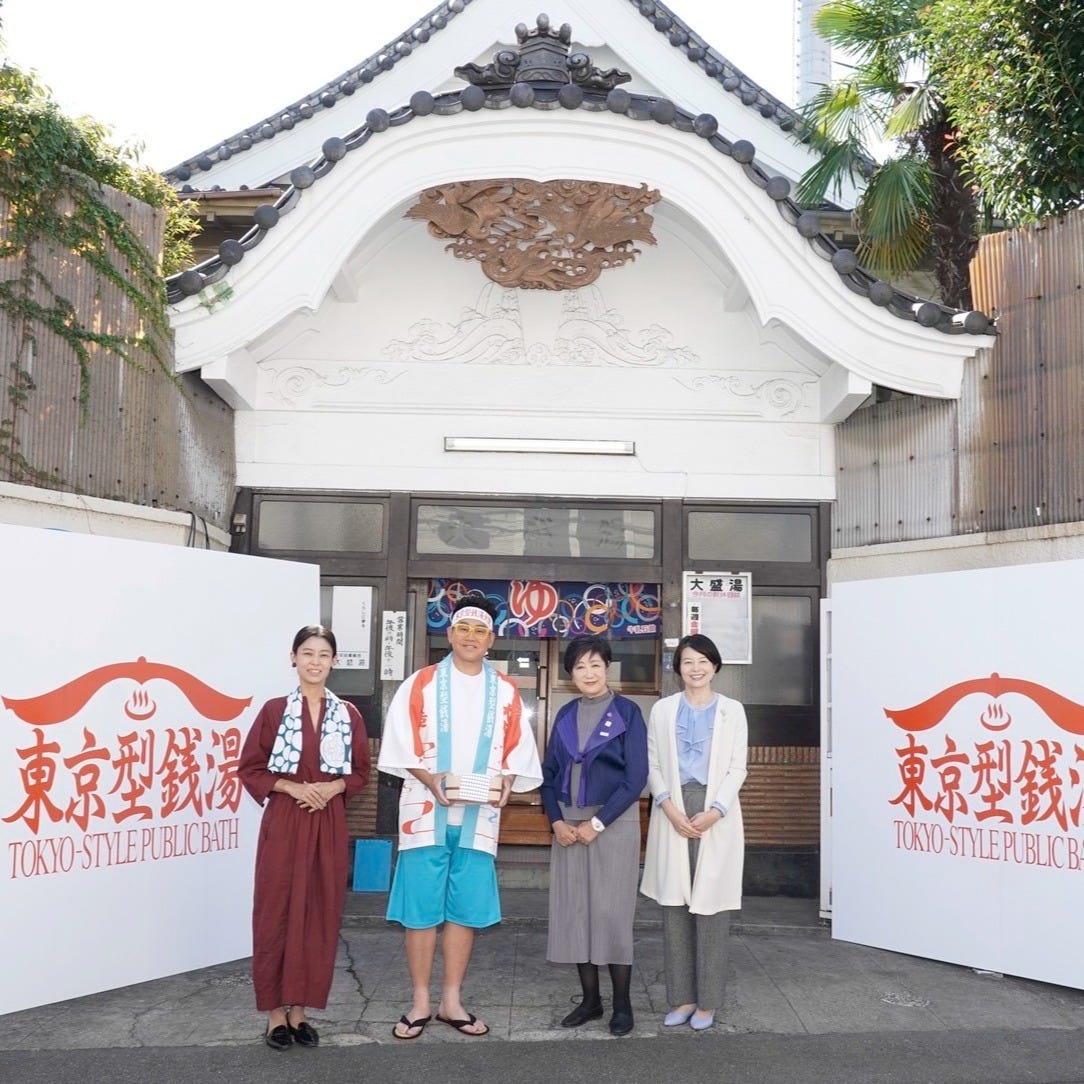
Broader society does seem to be slowly realizing that the extinction of bathhouses would represent an irreplaceable loss. In 2025, the Tokyo Metropolitan Government designated four traditional bathhouses as cultural heritage for the first time. Haruka joined the governor of Tokyo for the announcement and launch of a new promotional campaign. What made this move unusual for the government is the explicit focus on the historic and cultural value of “Tokyo-style sento,” the temple-like baths of which there are now fewer than 100 left (the Tokyo website is a good resource for finding these baths). Hopefully, this momentum can lead to a few more escaping destruction.
2026-: A Sento fund?
Over the course of a decade, we identified our problem, built a model case, and refined our approach. We did this while hardly paying ourselves, and if we stopped today, I would take pride in what we’ve accomplished. But it’s also true that Inari-yu would have survived to the next generation even without us, and while documenting and sharing the stories of local bathhouses is meaningful and fulfilling task, it doesn’t stop Tokyo’s sento from disappearing. We don’t have another decade to put together a solution.
So what should we do next? The ideal next step would be to create a sento fund. While there are growing numbers of young entrepreneurs, creative owners, and outside companies that are creating new models for sento preservation across Japan, I think there is a niche for our organization to fill in focusing on historic baths in Tokyo that have exceptional architectural and urban value. Some of these are so integral to their neighborhoods that I can hardly imagine Tokyo without them, but have nobody waiting in the wings to carry them on.
In the course of our documentation and outreach work, we develop relationships with the families who run these baths. In the next few years, or even the next few months, it is increasingly likely that some will face closure and potential sale to developers.
Before that moment comes, we need to be able to credibly say to owners: when you are ready to close, do not quietly sell to a developer because they’re the only ones who have the money. Call us and give us a little time to try to put together a solution. We are working within our networks in Tokyo to take promising steps in this direction, but I’m not sure if we’ll get there in time. The real estate value of some of the baths we are most concerned about could be upwards of $5 million. Actually stepping in to preserve these places would require a step change from anything we’ve done so far.
There are paths to making sento into sustainable businesses, or more ambitiously into the heart of a community-oriented local development scheme that could include housing, accommodations, or other profitable elements (for a rural example of this kind of project, visit Gose Sento Hotel in Nara). In some neighborhoods, perhaps a community trust could be established that would pool capital from local companies, residents, and outsiders who want to have an ownership stake and role in preserving the sento. The main reason these sorts of things never get tried is because Tokyo real estate turns over too fast, and bathhouse owners usually sell to a developer before they announce closure. By that time, it’s too late to come up with any alternative. We’ve seen that pattern play out too many times to count, and we’re ready to write a different story.
Sento are at the heart of a human-scale city that is quickly disappearing. They can also be the starting point for creating better urban future. I want to look back a decade from now and know that a few of Tokyo’s sento are still here holding their neighborhoods together, because we did what was necessary in this moment, when it could still be done.
Both sad to see what's happening to sento and very impressive and inspiring to see what your group has been doing to save the surviving ones, Sam. I hope the Sento Fund becomes a reality!
There are also many “higaeri onsens” which were established over the last 20 or 30 years which have real thermal water, restaurants, massage etc… I understand the nostalgia for the simpler sentos but truth is they get replaced by better alternatives